Sustainable journeys, unforgettable experiences.

Protecting Paradise: Environmental Conservation in Tourist Destinations

Tourism has the power to transform economies, connect cultures, and inspire global citizens. Yet, its rapid growth also poses a challenge: how to balance exploration with preservation. In destinations around the world, environmental conservation has become a critical part of the conversation, particularly in biodiverse regions like Brazil, Colombia, and Ecuador. These countries, rich in natural beauty and ecological significance, are at the forefront of sustainable tourism efforts.
Brazil: Preserving the Amazon and Beyond
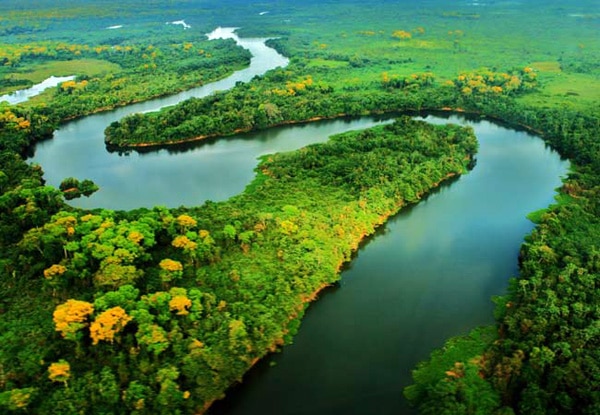
As the home of the Amazon Rainforest, Brazil shoulders immense responsibility for environmental conservation. The Amazon, often referred to as the "lungs of the Earth," is vital not just for its biodiversity but also for regulating the global climate. Tourism in the Amazon has grown steadily, offering opportunities to educate visitors about the region’s importance. Eco-lodges and guided tours led by local communities are becoming more common. Organizations such as the Mamirauá Institute promote sustainable tourism that directly benefits indigenous groups and supports rainforest preservation. Visitors to the Pantanal, the world's largest tropical wetland, are also encouraged to partake in eco-friendly activities such as birdwatching and responsible wildlife photography, ensuring minimal impact on fragile ecosystems.
1
Colombia: Ecotourism in Action
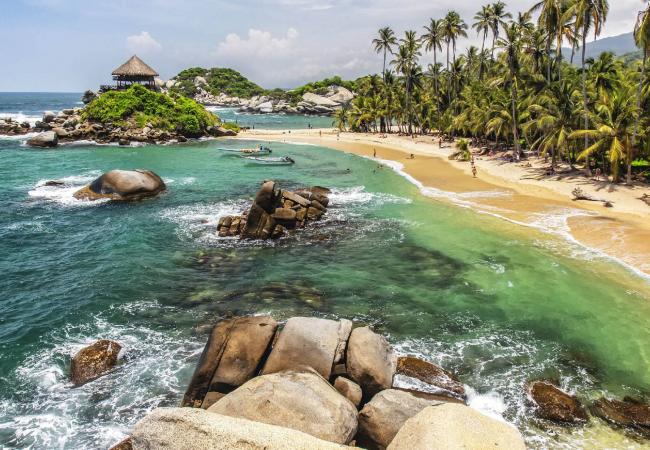
Colombia’s diverse ecosystems, from its Andean peaks to Amazonian forests and Caribbean coasts make it a prime destination for nature lovers. The country has embraced ecotourism as a strategy to support conservation while empowering local communities. For example, Tayrona National Park, a coastal paradise, limits daily visitors to reduce strain on its environment. Revenues generated from tourism contribute to habitat protection and local development. Another standout is the Caño Cristales, often called the "River of Five Colors," a fragile aquatic ecosystem in the Serrania de la Macarena region. Strict regulations govern visits to this natural wonder, ensuring the preservation of its unique beauty. These measures not only safeguard the environment but also educate visitors on sustainable practices.
2
Ecuador: Guardians of the Galápagos
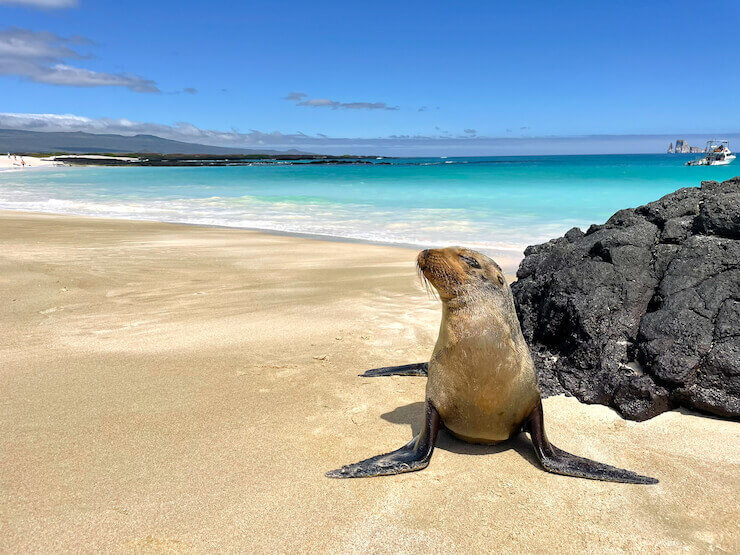
Ecuador’s Galápagos Islands are a global symbol of conservation, celebrated for their role in Charles Darwin’s theory of evolution. Recognized as a UNESCO World Heritage site, the islands face constant challenges from overtourism and invasive species. To address these threats, Ecuador has implemented strict visitor limits and requires all tourists to be accompanied by certified naturalist guides. Beyond the Galápagos, Ecuador's mainland boasts cloud forests, volcanoes, and Amazonian reserves. Community-led tourism initiatives, such as those in the Mashpi Reserve, showcase how local knowledge can enrich the visitor experience while conserving ecosystems.
3

Lessons for Sustainable Tourism

The efforts in Brazil, Colombia, and Ecuador demonstrate the power of sustainable tourism to protect natural wonders. Key strategies include:

Community Involvement: Engaging local communities ensures that tourism revenues benefit those directly responsible for protecting the environment.

Education and Awareness: Providing information about ecosystems fosters a deeper appreciation and encourages responsible behavior among tourists.

Regulation and Oversight: Enforcing visitor limits and eco-friendly practices helps mitigate environmental impact.

As travelers, we must choose destinations and operators committed to sustainability. By doing so, we not only experience the beauty of the world but also contribute to its preservation for future generations.


Share this post: