Sustainable journeys, unforgettable experiences.

Exploring the Rich History of Local Communities in Colombia, Brazil, and Ecuador

When we think about the vibrant cultures of Latin America, the first thing that often comes to mind are its beautiful landscapes, rich traditions, and diverse festivals. However, it is the people, the locals, who are the true soul of these countries. Their histories are deeply rooted in centuries of cultural evolution, shaped by indigenous peoples, colonialism, and modern-day influences. Let's dive into the rich history of local communities in Colombia, Brazil, and Ecuador.
Colombia: A Tapestry of Cultures
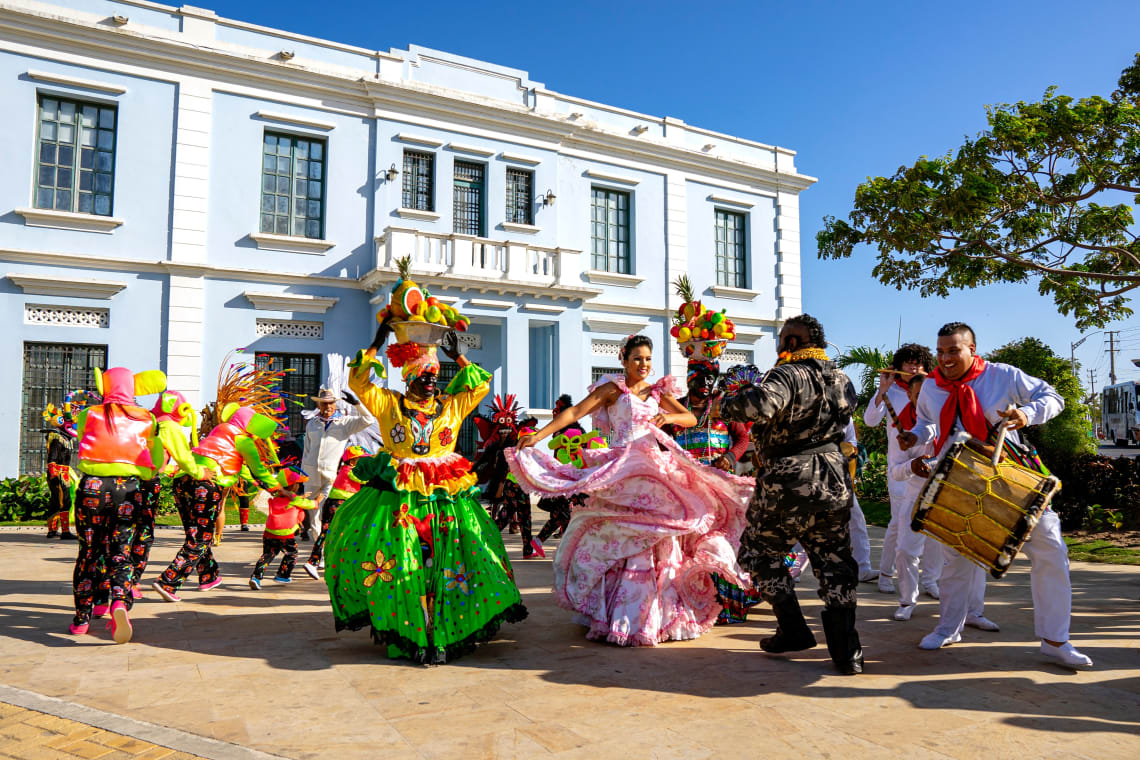
The local people of Colombia have a fascinating history that reflects the diversity of their country. With over 80 indigenous groups, the Colombian people are a unique mix of indigenous, African, and European roots. The indigenous cultures, such as the Wayuu, Embera, and Kogi, have survived centuries of change, preserving their traditions, languages, and ways of life in rural and remote areas. The arrival of Spanish conquistadors in the 16th century brought about significant changes, but the local communities' resilience allowed them to hold on to many of their ancestral customs. In cities like Cartagena, Medellín, and Bogotá, the fusion of European, African, and indigenous cultures is visible in the food, music, and art. The vibrant rhythms of cumbia and salsa, the delicious flavors of arepas and empanadas, and the colorful festivals such as Carnaval de Barranquilla all tell the story of Colombia's diverse local heritage.
colombia
Brazil: A Melting Pot of Cultures
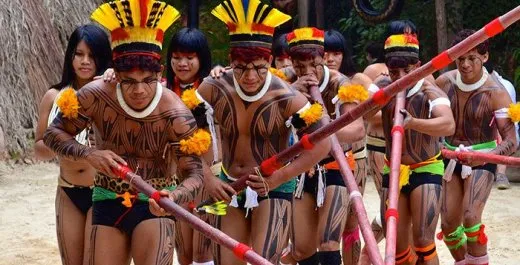
Brazil is known for its incredible diversity, and this is reflected in the local communities that call this vast country home. From the Amazon rainforest to the bustling streets of São Paulo, Brazil's people are a blend of indigenous, African, and European influences. The indigenous tribes, including the Guarani, Yanomami, and Kayapo, have inhabited the land for thousands of years, and many still maintain their traditional lifestyles, living in harmony with nature. During the colonial era, Brazil became a major destination for African slaves, which has had a profound influence on the culture of the country, particularly in the music and dance of samba, capoeira, and bossa nova. The vibrant celebrations of Carnival, with its dazzling costumes and infectious rhythms, showcase the blend of African, indigenous, and European cultures that make up the heart of Brazilian identity. In the rural areas of the northeast, local communities such as the Cangaceiros continue to share stories of resistance against colonial powers and their fight for land and justice.
brasil
Ecuador: A Land of Ancient Traditions
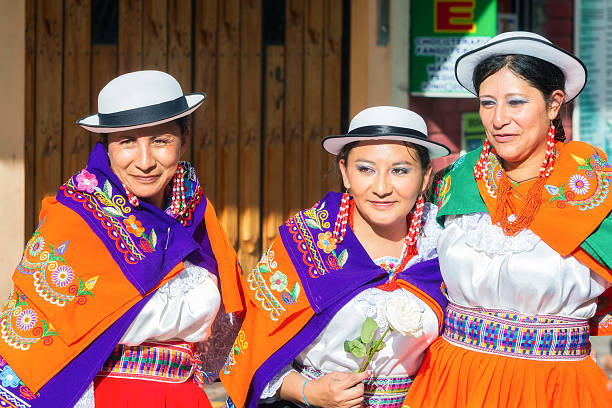
Ecuador's local communities boast a deep connection to the land, rooted in centuries of indigenous culture. Home to various indigenous groups, such as the Quechua, Shuar, and Otavalo, Ecuador has one of the richest indigenous traditions in South America. These people have preserved their languages, textiles, and farming methods, passing them down through generations. The Inca Empire once ruled over much of Ecuador, and their influence can still be seen in the ruins of Ingapirca, the only significant Inca archaeological site in the country. The indigenous people of Ecuador continue to fight for their land and rights, and their presence is a vital part of the nation's culture. In cities like Quito and Cuenca, the blend of colonial and indigenous architecture tells the story of a nation caught between its ancient past and modern-day challenges. Traditional markets, where local artisans sell handmade textiles and crafts, are a testament to Ecuador's vibrant and enduring cultural heritage.
equador

The Heart and Soul of Latin America

The people of Colombia, Brazil, and Ecuador are more than just the stewards of their countries histories; they are the living embodiment of their cultures. Whether it's through music, art, food, or festivals, the local people of these countries offer a unique window into the heart of Latin America, a region where history is alive and constantly evolving.

Share this post: