Sustainable journeys, unforgettable experiences.

Conservation of Ecosystems in Brazil, Ecuador, and Colombia: A Key to Preserving Our Planet

The rich biodiversity of South America, particularly in Brazil, Ecuador, and Colombia, is a critical component of our global ecosystem. These countries are home to some of the most vital and diverse ecosystems on the planet, including the Amazon Rainforest, the Andes mountains, and the Galápagos Islands. Their preservation is not just important for the local populations but also for the health of our planet as a whole.
Brazil: Protecting the Amazon Rainforest
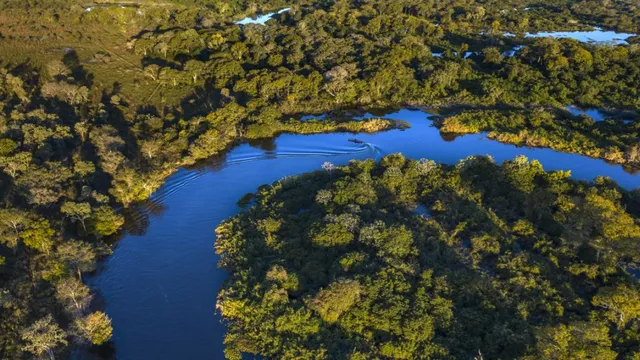
Brazil is home to the Amazon Rainforest, the largest tropical rainforest in the world. Covering approximately 60% of the Amazon Basin, Brazil plays a crucial role in the preservation of this vital ecosystem. The forest provides essential ecosystem services, such as regulating the global climate, storing carbon, and maintaining water cycles. However, deforestation, illegal logging, and agricultural expansion have threatened the Amazon’s stability. In recent years, efforts to combat deforestation through stronger environmental regulations, sustainable agriculture, and reforestation projects have gained traction. Government agencies and indigenous communities are working together to protect the Amazon, but challenges remain, particularly with balancing economic growth and conservation.
brasil
Ecuador: A Jewel of Biodiversity
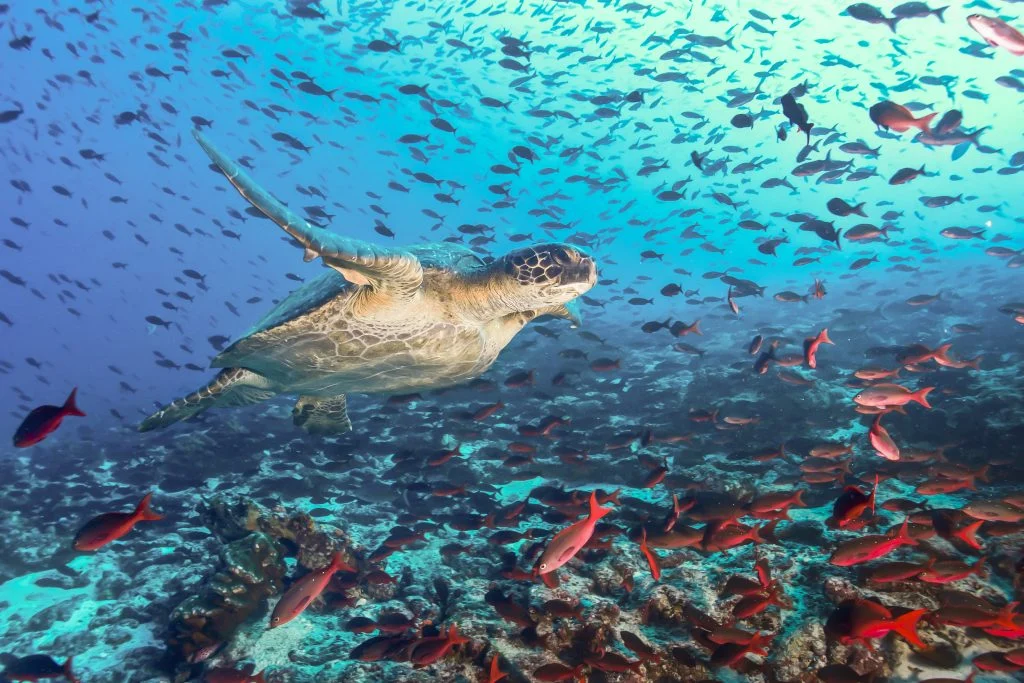
Ecuador, though small in size, is one of the most biodiverse countries in the world. The Galápagos Islands, a UNESCO World Heritage site, are an iconic symbol of Ecuador’s conservation efforts. The archipelago is famous for its unique species, many of which can’t be found anywhere else on Earth. To protect these species, Ecuador has implemented strict conservation measures, including controlling invasive species, regulating tourism, and establishing marine reserves. On the mainland, Ecuador's Amazon Basin is another vital area, home to numerous indigenous communities and extraordinary wildlife. Conservation efforts are focused on sustainable development practices and the preservation of indigenous territories to protect these ecosystems from logging and mining activities.
equador
Colombia: The Heart of Biodiversity
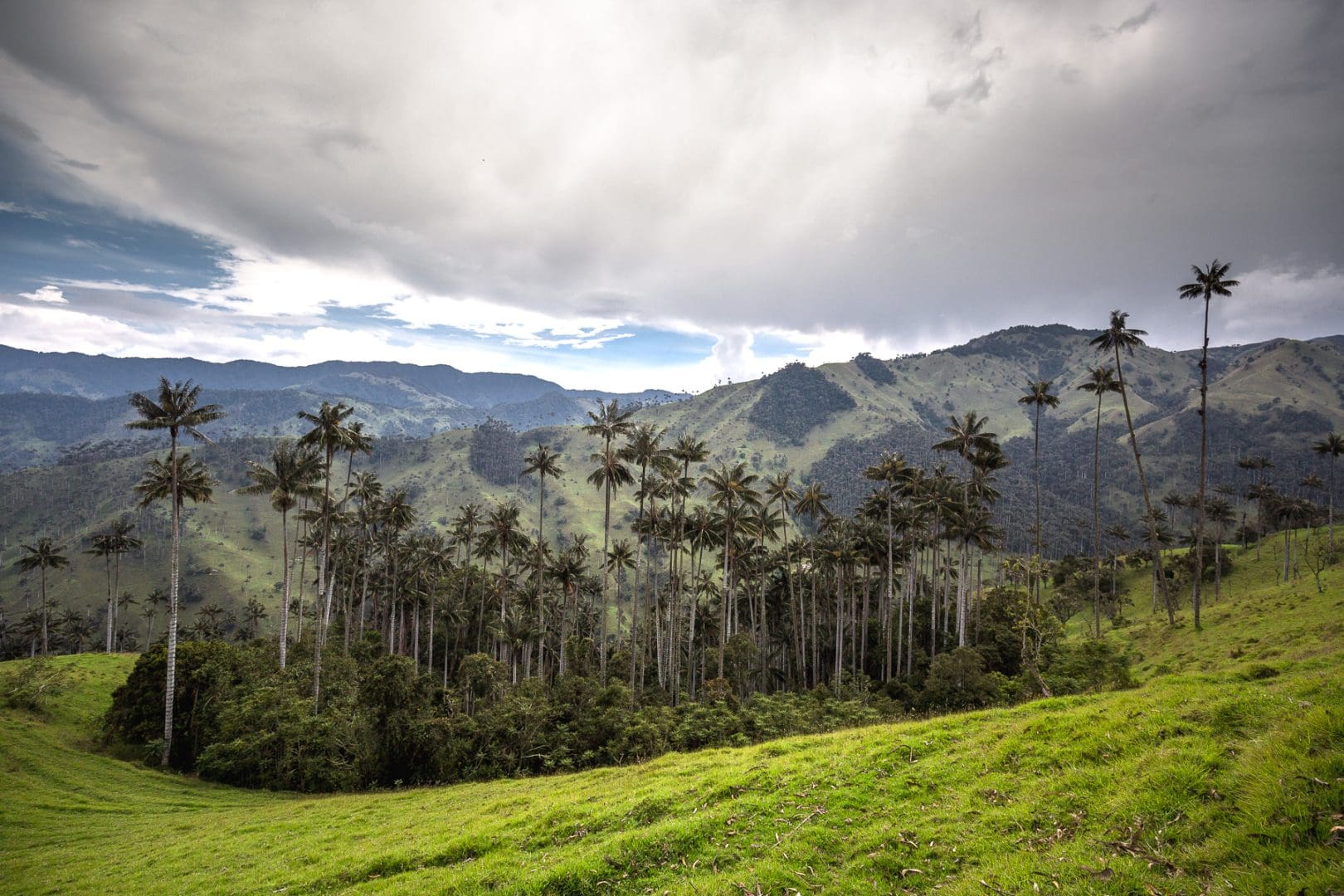
Colombia is considered one of the most biodiverse countries globally, hosting over 59,000 plant species and more than 1,900 bird species. The country’s ecosystems range from tropical rainforests to high-altitude páramos, all of which play a critical role in maintaining the health of the planet. In recent years, Colombia has faced challenges in balancing the protection of natural resources with the need for economic development. However, various initiatives have been introduced to protect Colombia's unique biodiversity, including the establishment of national parks, ecological corridors, and partnerships with local communities. Colombia’s commitment to peace and sustainable development, particularly in post-conflict regions, has led to innovative conservation strategies that benefit both the environment and local populations.
colombia

In all three countries, local communities play a central role in conservation efforts. Indigenous groups and rural populations often hold deep knowledge of their natural surroundings, and their involvement in decision-making processes ensures that conservation strategies are both effective and culturally sensitive.

Collaborative efforts between governments, NGOs, and local communities are essential for ensuring the long-term health of ecosystems in Brazil, Ecuador, and Colombia. By promoting sustainable practices, fostering environmental education, and strengthening legal protections, these countries are setting an example for the world in preserving biodiversity and combating climate change.

Conserving the ecosystems of Brazil, Ecuador, and Colombia is crucial not only for the survival of their unique wildlife but also for the well-being of our planet. These countries are at the forefront of global conservation efforts, and their success will depend on continued collaboration, innovative solutions, and the involvement of local communities. As we move forward, the protection of South America's natural treasures will be key to securing a sustainable future for generations to come.

Share this post: