
Sustainable journeys, unforgettable experiences.

The Positive Impact of Tourism on Communities in Brazil, Colombia, and Ecuador

Tourism is often celebrated for its ability to create unforgettable experiences for travelers, but its transformative power extends far beyond that. In countries like Brazil, Colombia, and Ecuador, tourism has become a significant driver of positive change, fostering economic growth, cultural preservation, and community empowerment.
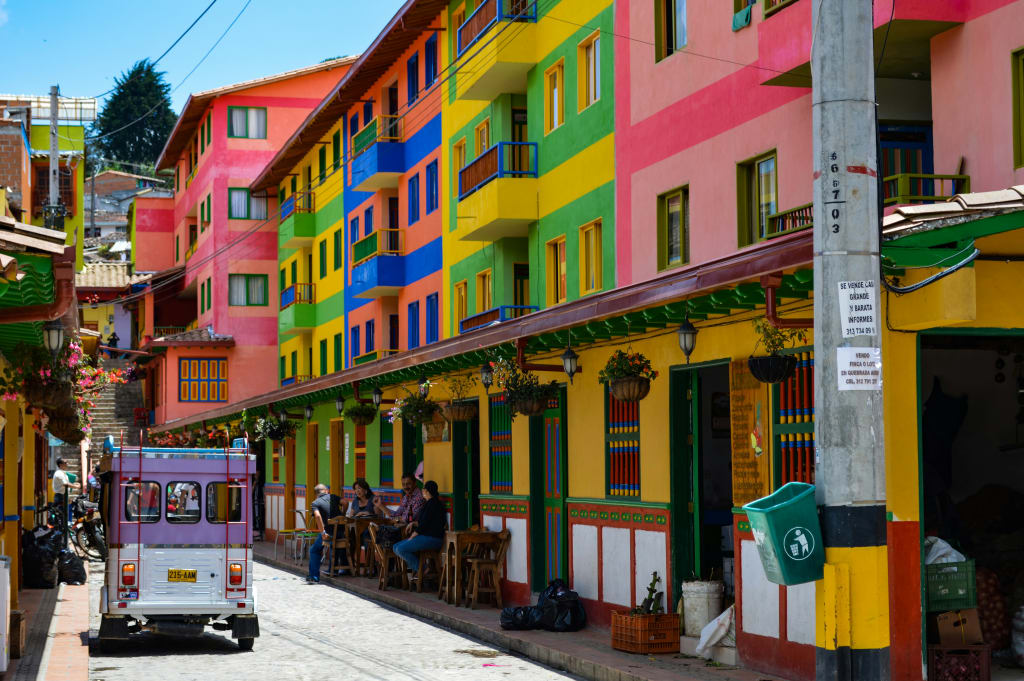

1. Economic Growth and Job Creation
In both rural and urban areas, tourism generates vital income for local economies. Small businesses, such as family-run guesthouses, craft stores and guided tour services, thrive by catering to visitors eager to experience the unique offerings of these countries. In Brazil, for example, ecotourism in the Amazon region has provided sustainable livelihoods for indigenous communities, while promoting environmental conservation. Similarly, in Colombia, areas such as Cartagena and Medellín have seen a resurgence of local business. The flow of tourists has created jobs in the hotel, transport and cultural sectors, reducing unemployment rates and revitalizing neighbourhoods. In Ecuador, tourism plays a crucial role in the Galapagos Islands, where the fees charged to visitors directly fund conservation efforts and support local communities. This balance between tourism and sustainability is an example of how travel can contribute to economic and environmental well-being.
item 1
2. Cultural Preservation
Tourism often acts as a catalyst for the preservation and celebration of local traditions. Travelers seek authentic experiences, encouraging communities to maintain their cultural heritage. Festivals, dances, traditional cuisines and handicrafts take on new life when shared with visitors. In Brazil, samba schools and capoeira groups present their art forms to international audiences, ensuring that these traditions are passed on to future generations. Colombia's coffee-growing regions, which are part of the UNESCO World Heritage Site, invite tourists to discover the rich history and craftsmanship behind its world-renowned coffee. In Ecuador, indigenous markets like those in Otavalo connect travelers to ancient weaving techniques and stories, fostering appreciation and pride in local heritage.
item 2
3. Community Empowerment
Tourism empowers communities by fostering a sense of pride and action. Locals become ambassadors for their regions, sharing their knowledge and traditions, while benefiting economically and socially. Many initiatives in grassroots tourism also emphasize inclusion, especially for women and marginalized groups. For example, in Colombia, women-led tourism cooperatives in the Pacific coast region offer boat trips, cooking classes and storytelling experiences. These initiatives not only generate income but also boost social harmony and gender equity. In Ecuador, community-based tourism projects in the Andes allow visitors to live with indigenous families, creating meaningful cultural exchanges and supporting local development.
item 3

A Path Forward

While the positive impact of tourism is evident, it is essential to prioritize sustainable and responsible practices. Governments, businesses, and travelers all have a role to play in ensuring that tourism benefits host communities without compromising their resources or way of life.

By choosing ethical travel options, supporting local businesses, and respecting cultural norms, travelers can contribute to the continued growth and well-being of communities in Brazil, Colombia, and Ecuador. In turn, these communities can continue to thrive, offering enriching experiences that benefit everyone involved.

Share this post: