
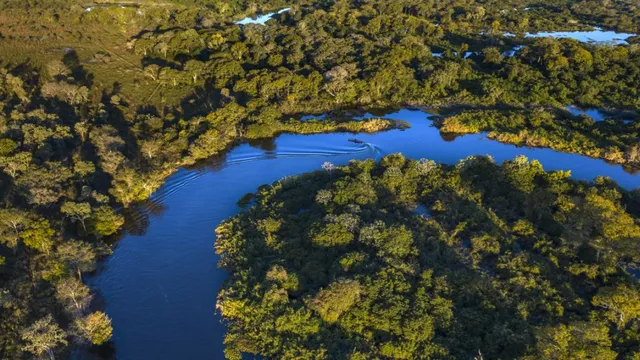
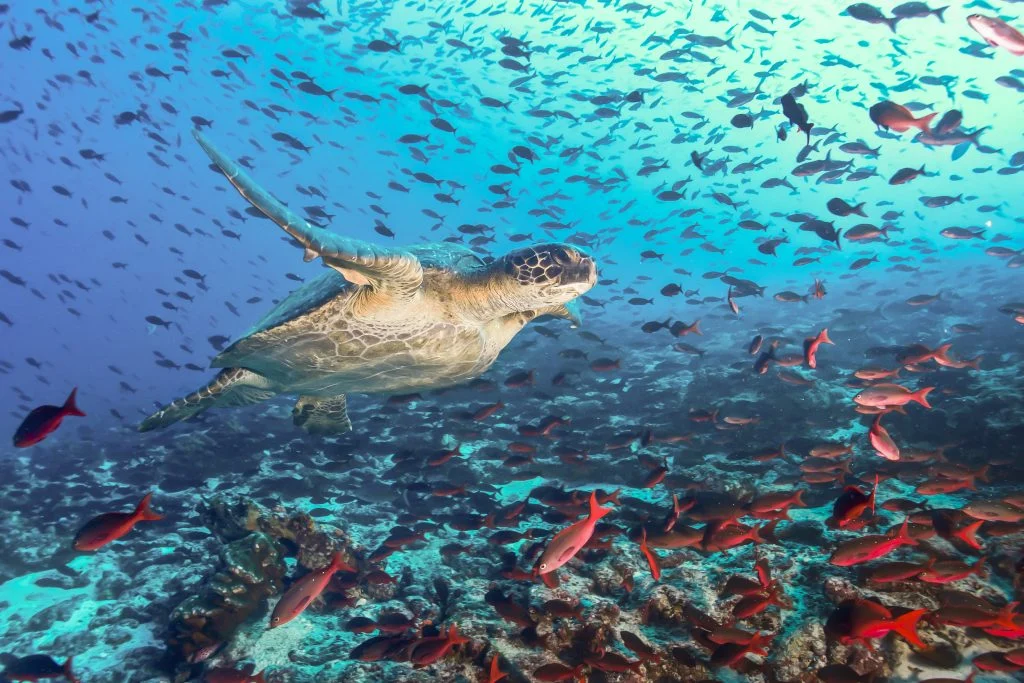
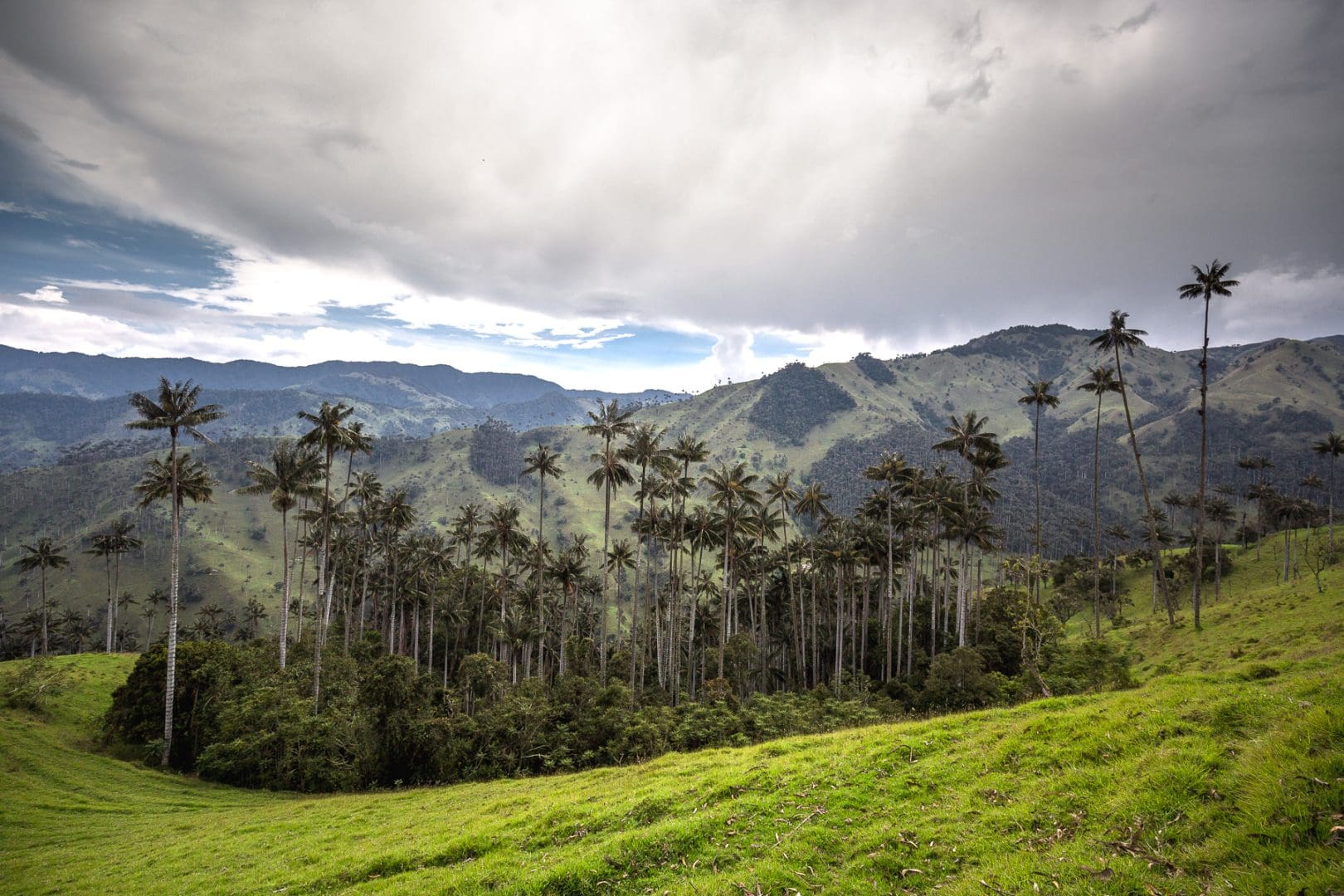
The rich biodiversity of South America, particularly in Brazil, Ecuador, and Colombia, is a critical component of our global ecosystem. These countries are home to some of the most vital and diverse ecosystems on the planet, including the Amazon Rainforest, the Andes mountains, and the Galápagos Islands. Their preservation is not just important for the local populations but also for the health of our planet as a whole.
In all three countries, local communities play a central role in conservation efforts. Indigenous groups and rural populations often hold deep knowledge of their natural surroundings, and their involvement in decision-making processes ensures that conservation strategies are both effective and culturally sensitive.
Collaborative efforts between governments, NGOs, and local communities are essential for ensuring the long-term health of ecosystems in Brazil, Ecuador, and Colombia. By promoting sustainable practices, fostering environmental education, and strengthening legal protections, these countries are setting an example for the world in preserving biodiversity and combating climate change.
Conserving the ecosystems of Brazil, Ecuador, and Colombia is crucial not only for the survival of their unique wildlife but also for the well-being of our planet. These countries are at the forefront of global conservation efforts, and their success will depend on continued collaboration, innovative solutions, and the involvement of local communities. As we move forward, the protection of South America's natural treasures will be key to securing a sustainable future for generations to come.
Receive special discounts, advice and information of interest to you.